Three Books That Shaped How I Manage
Not a reading list. Three books I personally return to, and what each one changed about how I think about leading people.
I’m skeptical of management reading lists. They’re usually long, padded, and full of books the person skimmed once. So I’ll keep this short: three books I’ve read more than once, that actually changed how I operate.
They cover different ground. One is about people. One is about systems. One is about coaching. Together, they cover most of what the job requires.
How to Win Friends and Influence People
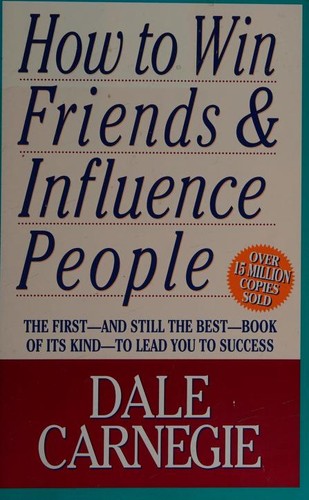
Dale Carnegie
1936
The title sounds manipulative. It isn’t. Carnegie’s real argument is about attention. Most people fail at relationships because they’re too busy thinking about themselves to actually pay attention to others.
His chapters on influence are less about persuasion tactics and more about a mindset shift: stop trying to be interesting, and start being genuinely interested.
You can make more friends in two months by becoming genuinely interested in other people than you can in two years by trying to get other people interested in you.
— Dale Carnegie
The principle that changed how I give feedback: don’t lead with your point. Arguments make people defensive, and a defensive person doesn’t hear anything. Carnegie’s move is to let the other person feel genuinely heard before you try to make your case. For managers, that’s not just soft advice. It’s how trust actually gets built.
Start your 1:1s with a question, not an update. Ask what they’re working through, what’s blocking them, what’s on their mind. You’ll solve problems faster and the person leaves feeling heard rather than managed.
High Output Management
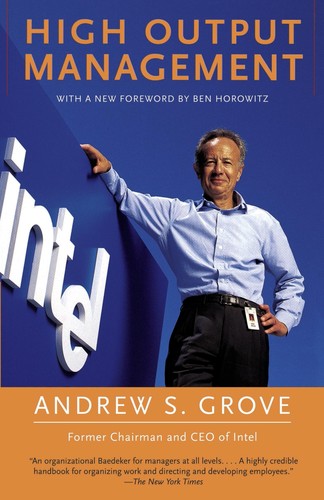
Andy Grove
1983
Andy Grove ran Intel. This book is the most rigorous thing ever written about what management actually is. It’s precise, clinical, and it’ll change how you think about your own role.
The idea that hit hardest: you’re not measured by what you personally produce. You’re measured by the output of your team. Every hour you spend doing individual work is an hour you’re not multiplying through the people around you.
The output of a manager is the output of the organizational units under his or her supervision or influence.
— Andy Grove
Grove also introduced the concept of task-relevant maturity. The management style that works depends on the person and the specific task, not just their title or years of experience. Someone new to a project needs direction. Someone who’s done it a hundred times needs to be left alone. Apply the wrong style and you’re either micromanaging or abandoning.
The section on one-on-ones is worth the price of the book alone. The agenda belongs to the direct report. Your job in that meeting is to listen and unblock, not to deliver your own updates.
Audit your week. If a big chunk of your time goes to work only you can do, that’s not leverage — that’s a bottleneck. The highest-leverage things you can do are almost always a conversation, a decision, or removing something that’s slowing your team down.
Trillion Dollar Coach
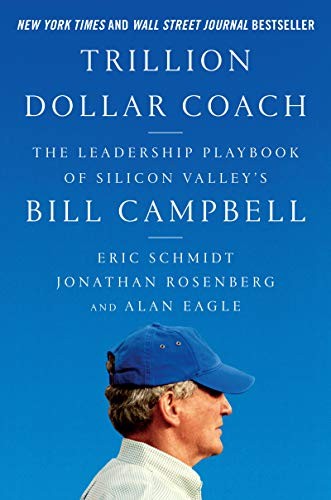
Eric Schmidt, Jonathan Rosenberg & Alan Eagle
2019
Bill Campbell coached Steve Jobs, Eric Schmidt, Larry Page, and Sheryl Sandberg. He was a former football coach who became the most trusted advisor in tech. This book is what the people closest to him put together.
The line I’ve thought about most:
Your title makes you a manager. Your people make you a leader.
— Bill Campbell
Campbell believed the manager’s first job is to serve the team. When a problem showed up, his first question wasn’t about the problem. It was about the people involved. Are they aligned? Is there trust? Is someone holding something back? Fix the team dynamics first, and the problem usually gets easier.
He was also direct to the point of being blunt. No cushioning. He’d tell you exactly what he thought and move on. But because he genuinely cared about the people he worked with — knew their families, remembered what they were going through — that directness never felt cruel. It felt like accountability from someone who was actually invested in you.
Most managers default to one: either honest but cold, or caring but indirect. Campbell did both.
Start meetings with something positive — a win, a shoutout, something worth naming. Campbell did this every time. It sounds small. It sets a tone that makes everything else in the meeting easier. And when conflict surfaces between people on your team, don’t wait. Address it directly and privately, then bring everyone back together. The longer you let it sit, the more expensive it gets.
What ties all three together
Carnegie teaches you how to connect. Grove teaches you how to scale. Campbell teaches you how to care.
None of it is complicated. Most of it just gets deprioritized when things get busy. That’s the only reason these are worth rereading.